West Coast Wilderness Railway
Testing a landing page redesign before confirming the improvements
Conversion rate optimisation · Experiment design · Analytics and measurement · Website performance reporting
July 2026
We built a full working copy of West Coast Wilderness Railway's busiest journey page in days. We A/B tested it against half the live traffic, and let the numbers decide. Clicks through to the booking site rose about 49% on the test page.
Prove a redesign on real traffic before you fund it.
+49%
Clicks to the booking site, all devices
+64%
Clicks to the booking site, mobile
+39%
Clicks to the booking site, desktop
30+
Days of testing, both versions live throughout
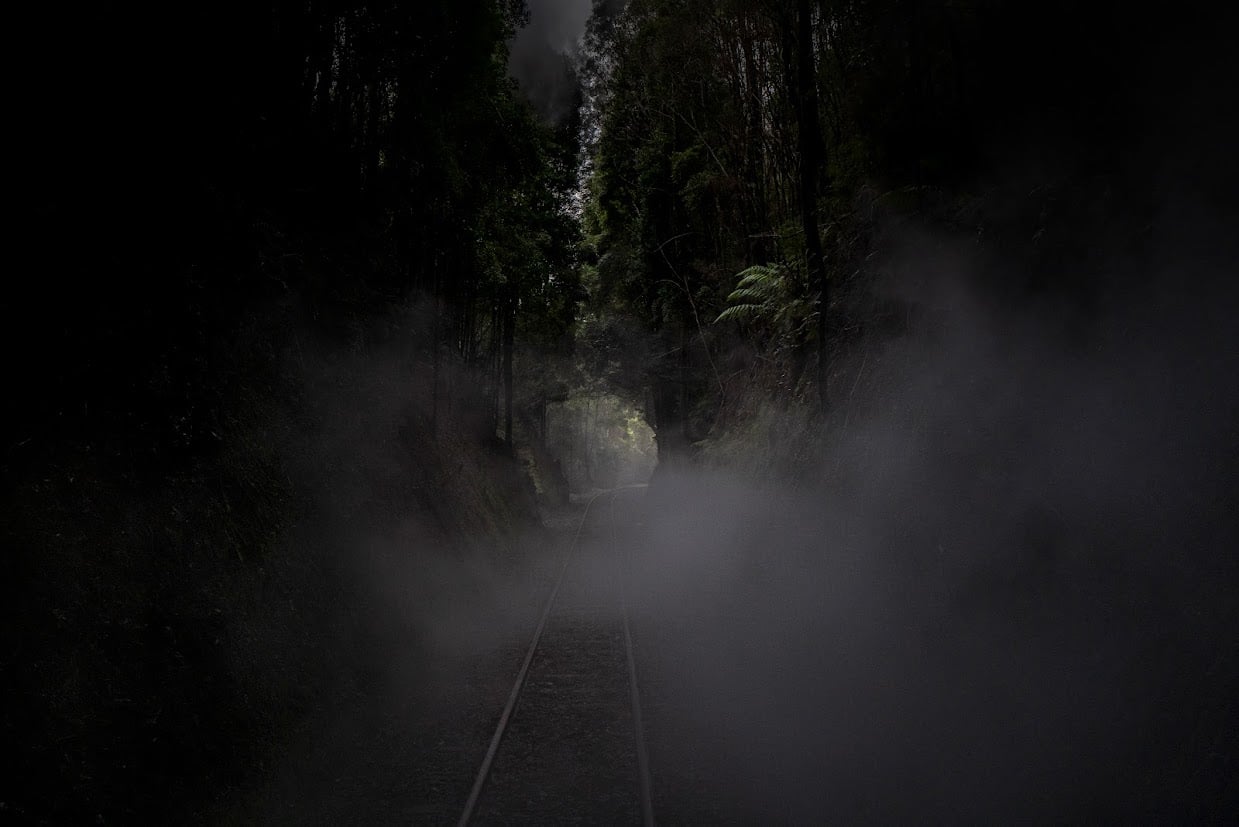
A heritage railway through Tasmania's West Coast wilderness
West Coast Wilderness Railway runs heritage steam journeys through Tasmania's rugged West Coast wilderness, combining historic rail travel, dramatic landscapes, and authentic storytelling. The Rinadeena, Rack and Rainforest journey is its busiest page, and the one carrying the most booking intent.
The page with the most to gain is the page with the most to lose
For West Coast Wilderness Railway, the Rinadeena, Rack and Rainforest page carries the most booking intent. This made it the page most worth improving, and the most expensive to get wrong.
- Every change to the site goes through a developer, so even a small experiment carries a cost and a delay.
- A live redesign has no control group. Replace the old page and its performance over the same period cannot be recovered.
- The page with the most to gain is also the page with the most to lose.
Test the changes before committing to them
Anyone with conversion experience can argue for navigation that stays on screen, reviews near the decision, or a booking button within thumb reach. We wanted to test this with West Coast Wilderness Railway's own visitors, before committing to it.
So the Data Story System built a complete working copy of the Rinadeena page on its own subdomain in days, without a developer and without a staging environment. Our current AI tooling let us stand up a live page far faster than a traditional build would allow, which made the test easy and inexpensive to roll out.
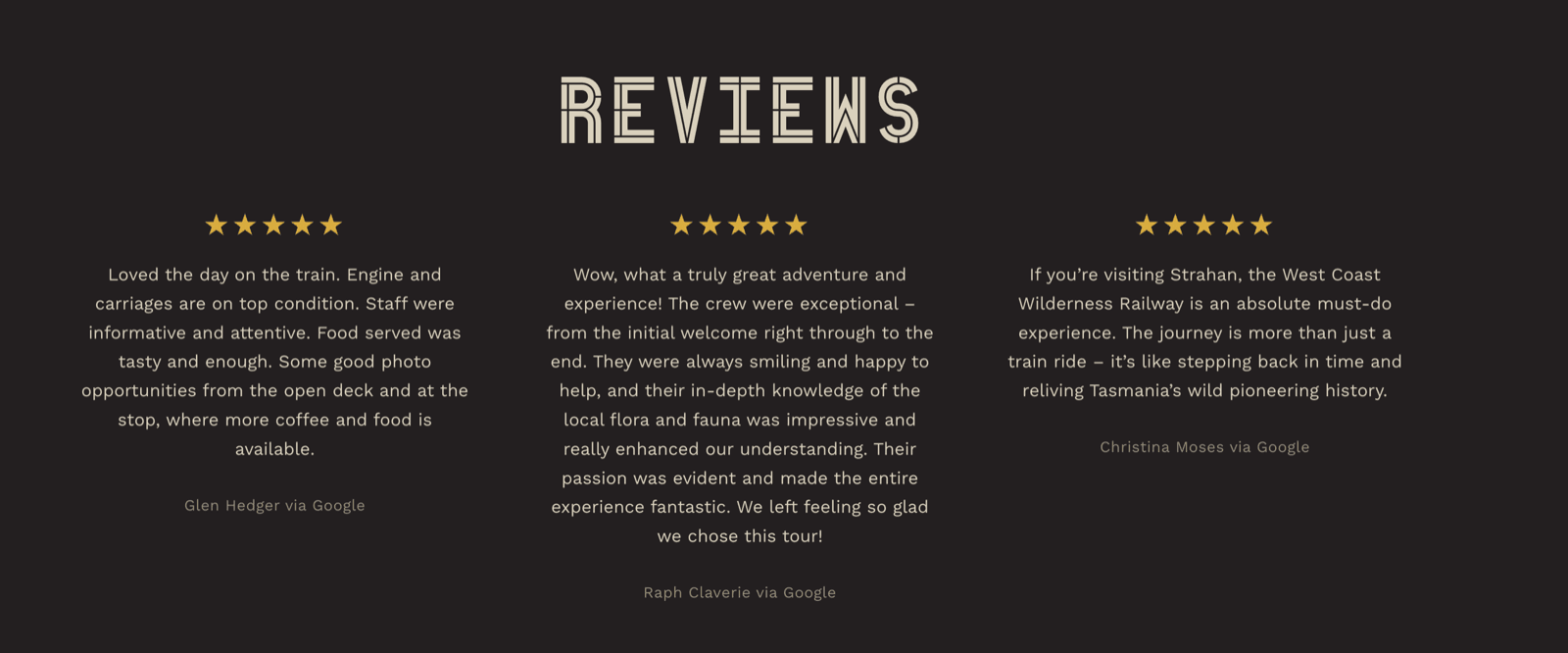
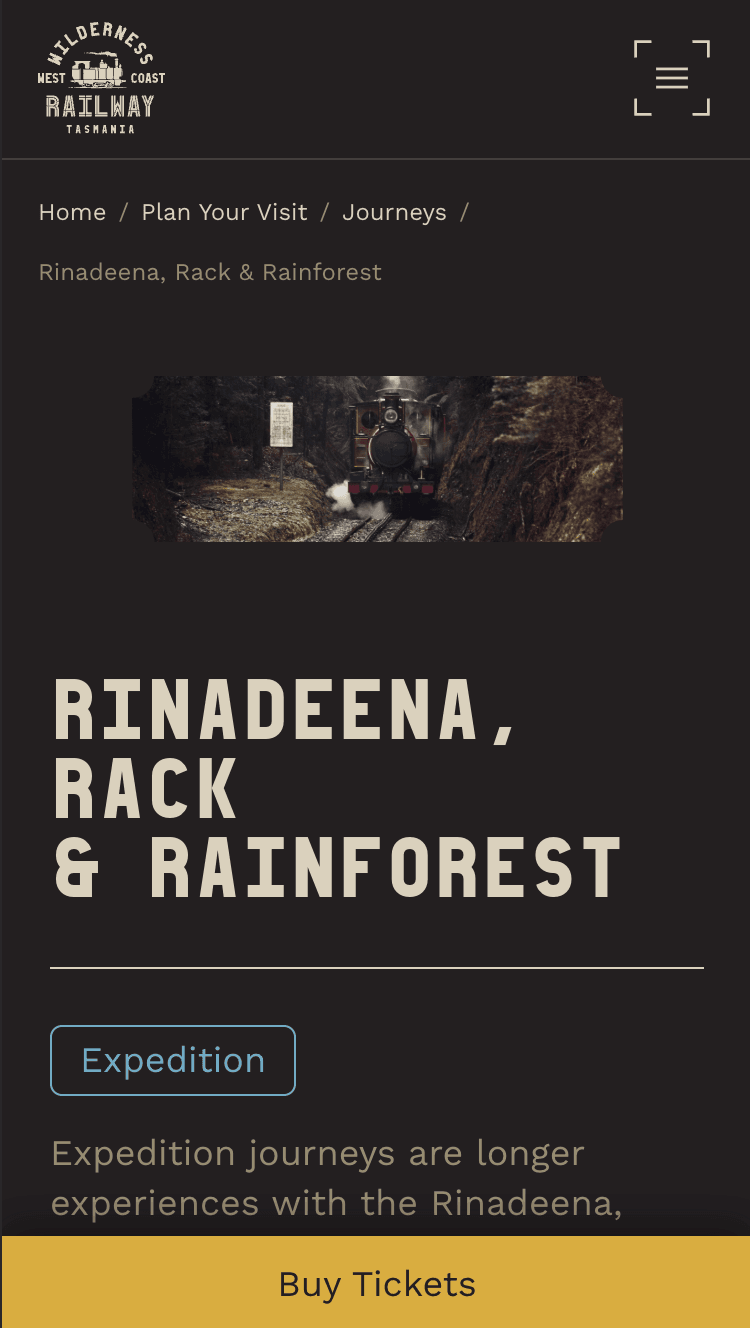
We made three structural changes to the test page: navigation that stays on screen while scrolling on desktop and mobile, a reviews section below the map, and a Buy Tickets button pinned to the bottom of the screen on mobile.
Build a full working duplicate
A complete copy of the page on its own subdomain. No new hosting to arrange, no staging environment to negotiate, no change to the live site.
Split the traffic
Send half of arriving visitors to each version, so both met the same audience over the same weeks.
Read the behaviour
Measure the share of people who clicked through to the booking site, separately on mobile and desktop.
The test ran for 30+ days, with both versions live across the whole period.
The test page outperformed the live page across every device
Across all devices, the test version lifted clicks through to the booking site by about 49% against the live page over the same period.
+49%
Clicks to the booking site across all devices, test page against live over the same 30+ days.
+64%
Clicks to the booking site on mobile, where the pinned Buy Tickets button had the most room to work.
+39%
Clicks to the booking site on desktop, with the sticky navigation and reviews in place.
The three changes shipped together and were measured as a set, so we cannot attribute the lift to any single one. The combination outperformed the current page with West Coast Wilderness Railway's own visitors.
On that evidence, we recommended applying all three across the site. Because we could build the subdomain page with an AI plugin, the evidence was produced without a developer and without touching the live site.
What a subdomain A/B test teaches you
Prove it before you fund it
A full working test page can be stood up in days, so a redesign is proven on real traffic before it is funded.
Test, measure, decide
Read the behaviour of real visitors before committing developer cost, rather than shipping a redesign on judgement alone.
Evidence first, then the build
A redesign of the busiest page was the change with the most to gain and the most to lose. Rather than ship it on judgement, the Data Story System stood up a full working copy on a subdomain in days, split the traffic, and measured what real visitors did.
The test page lifted clicks to the booking site by about 49% overall, 64% on mobile, and 39% on desktop, over the same 30+ days. That evidence, produced without a developer and without touching the live site, is what turned a redesign into a recommendation the client could fund with confidence.
Ready to scale your marketing?
Let's grow your business and reach your digital marketing goals. Let's do this together.
Book a Free Strategy Call